


When Did Being Different Give others a reason to Be Cruel?
When Did Being Different Become a Reason to Be Cruel?
Bullying, grief, and the responsibility we all share to create change.
We send our children to school hoping they will learn, make friends, laugh, play, and grow into people who will make this world a little better than our generations.
But for some children, school isn't a place of belonging, it's a place of fear.
Fear of being laughed at, excluded, photographed to shame, recorded to exploit, or humiliated because they look different, think differently, learn differently, or simply don't fit someone else's definition of normal.
And now, with social media and platforms like Snapchat, the cruelty doesn't necessarily end when the school bell rings. It follows children home, into their bedrooms, onto their phones, and sometimes into every corner of their lives. This is something that is crippling their mental health and wellbeing. Creating isolation and even self harm. It's a devasting trend that is not new to this generation.
When did being different become an invitation for others cruelty?
I Know What Bullying Can Do
I was bullied as a child.
I remember running home from school, desperate to escape the words and the people who made me feel less than and stupid. Kids who called me names that still ring loudly in my ears, but the sound has lost its power after years of unpacking and digging into what happened to me not what was wrong with me.
For almost 50 years I learned to survive by becoming a people pleaser. I became the fixer, the problem solver, the girl who made fun of herself before anyone else could. I took control of the pain they would dish out. How sad is that, but it helped me survive. If I could make everyone else happy, maybe they would leave me alone. Those survival habits followed me into adulthood. And that's something we are learning to talk about out loud, but we need to take action to create change.
Bullying doesn't always end when the bullying stops.
There Is Grief in Being Bullied
As a grief mindset coach, I recognize that grief isn't only about death.
There is grief in losing your sense of safety.
Grief in losing friendships, confidence, trust, and the freedom to be yourself.
There is grief in the childhood you should have experienced but didn't.
And for parents and grandparents, there is another kind of grief. Watching a child you love begin to question their worth because someone else has decided they don't belong. Watching the child you know and love disappear and become someone they aren't just to survive.
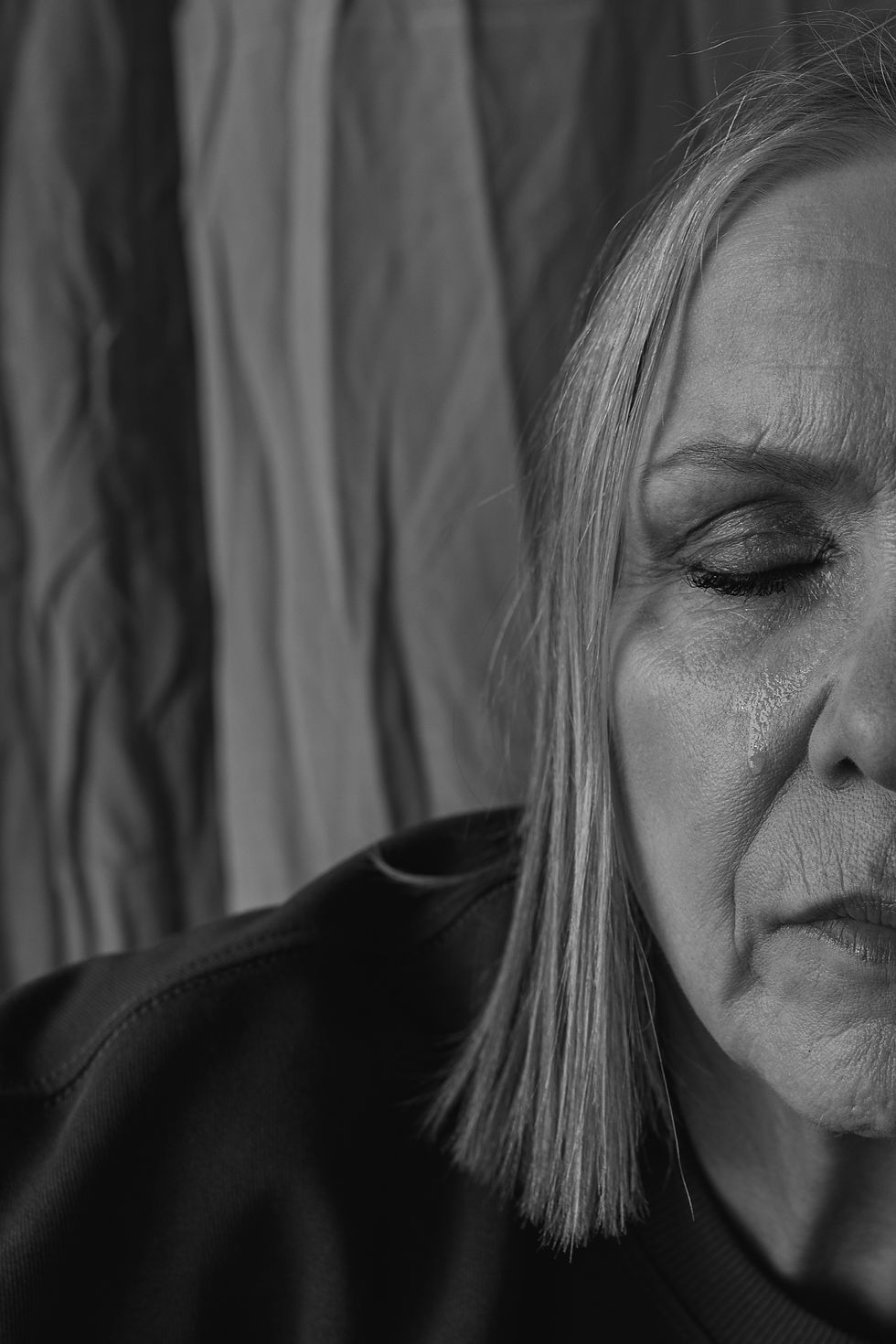
As a grandmother to neurodivergent and neurotypical grandchildren, this breaks my heart. Every one of these children deserves to feel safe, respected, and valued. Not because they fit in, but because they are human beings. Because we all deserve that. (tears are streaming down my face for every child and adult who has been made to feel less than)
Where Are Children Learning This Cruelty?
We need to ask uncomfortable questions. Where do children learn the hateful words they use? At home? Online? From friends? From adults who make jokes at someone else's expense?
And perhaps the most important question:
What are we teaching children through what we tolerate?
Bullying is not simply children being children. It can have lasting emotional consequences. And silence, whether from peers or adults, can allow it to continue.
What Can We Actually Do?
Talking about kindness is important. But kindness without action changes very little.
Here are four places to begin:
Listen without minimizing. When a child tells you they're being bullied, believe them. Don't tell them to toughen up or ignore it. Ask what they need and help them find safety.
Teach children to be more than bystanders. They don't need to confront a bully alone. They can refuse to share humiliating content, include someone being excluded, and tell a trusted adult.
Hold schools and adults accountable. Document incidents, save evidence of online bullying, request a safety plan, and follow up. Children should not carry this responsibility alone.
Look at our own behaviour. How do we speak about people who are different? What do children hear around our dinner tables? Are we modelling the respect we expect from them?
Where to Find Support
If bullying is affecting a child or family, these Canadian resources can help:
Kids Help Phone: https://kidshelpphone.ca — confidential support for young people. Call 1-800-668-6868 or text CONNECT to 686868.
BullyingCanada: https://www.bullyingcanada.ca — support and resources for young people experiencing bullying.
PREVNet: https://www.prevnet.ca — education and bullying prevention resources for families and schools.
If a child is in immediate danger, call 911.
Change Begins With Us
I cannot change what happened to the little girl I once was. But I can speak up for the children growing up today. I can encourage conversations, challenge cruelty, and remind children that being different is not something they need to apologize for. We cannot expect children to create a kinder world if we aren't willing to demonstrate what kindness, accountability, and courage look like.
We are all responsible for creating change.
Not just parents. Not just teachers. All of us. Because no child should have to become someone, they are not just to feel safe being who they are. And no child should have to grieve the person they were before someone taught them they weren't enough.
Let's raise children who don't just know how to fit in, but who know how to make room for others.
That's where change begins.
Love from,
Kath

Unfiltered Grief Mindset Coach | Author | Speaker

Comments